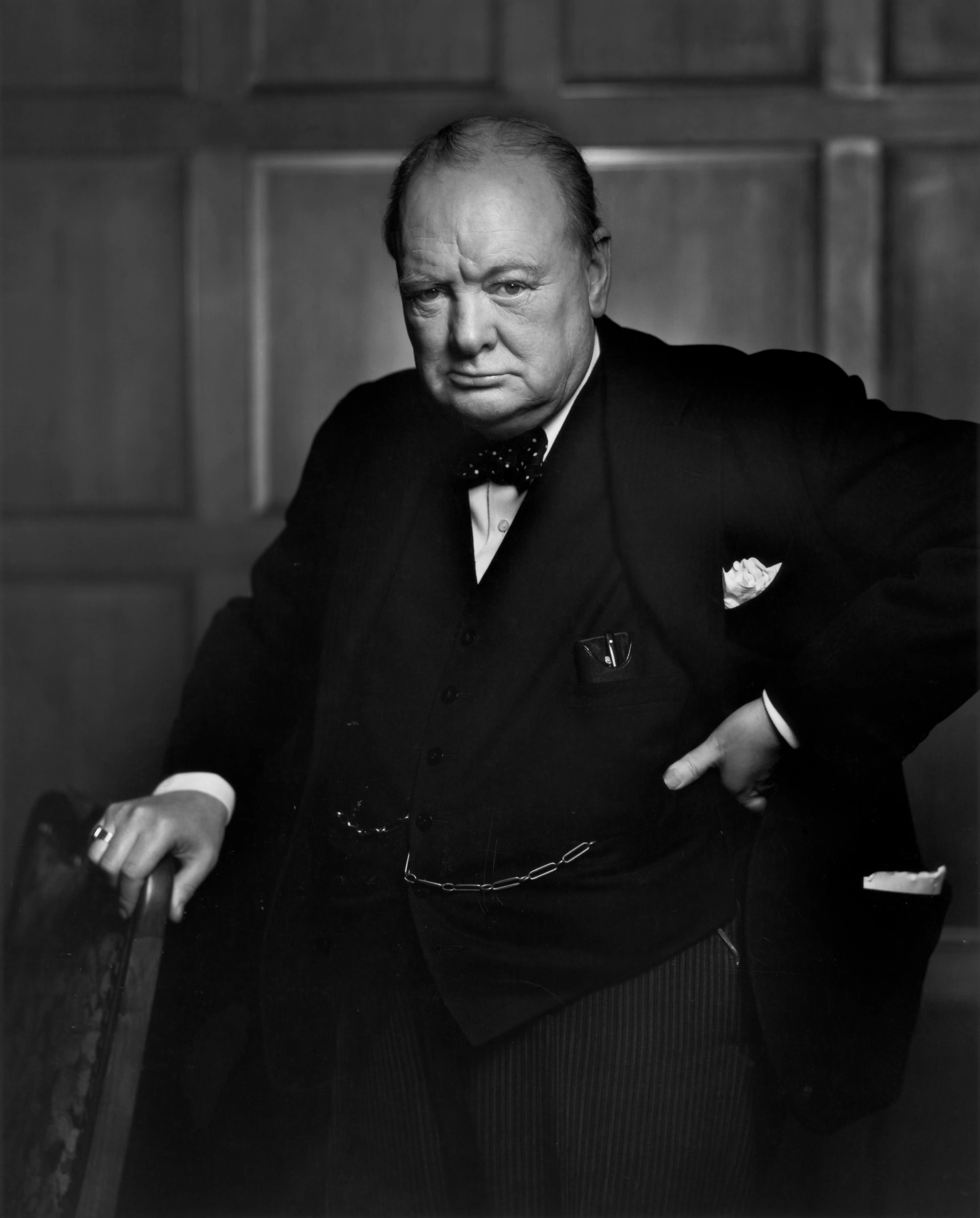
Winston Churchill did not keep a modern wellness routine.
That needs to be said up front.
He was known for late nights, heavy work blocks, naps, and long mornings spent handling papers and dictation from bed. Some parts of that are useful. Some parts are just Churchill being Churchill. The value is in understanding the operating logic, not trying to imitate the whole package.
Winston Churchill’s day at a glance
- Morning: work from bed, read, dictate, and handle correspondence
- Midday: meetings, lunch, and political business
- Afternoon: a serious nap
- Evening into late night: second major work shift
- Ongoing: treat the day as two workdays instead of one
He used the morning without rushing into it
Churchill’s habit of working from bed is famous because it sounds indulgent.
But there was a practical edge to it. He was reading, dictating, and making decisions before fully entering the public machinery of the day.
That created a buffer between waking and public combat.
Here is the thing: you do not need to take memos in bed to see the principle. Many people think the only serious start is a hectic one. Churchill’s routine suggests you can begin deliberately and still be highly effective.
The nap gave him a second shift
This may be the most useful lesson in the whole schedule.
Churchill took afternoon naps seriously, and he believed they gave him a second day’s worth of energy. That idea sounds almost too simple, but it is powerful. Instead of dragging yourself through the back half of the day on fumes, you reset and return. A sleep mask or compact travel pillow is a modern, practical way to borrow that reset without borrowing all the Churchill mythology.
For someone carrying wartime pressure, that second shift mattered.
Related video: archival Churchill footage and interview material from British Pathe.
The real lesson is energy management, not lifestyle envy
Churchill’s routine is interesting because it was built around sustained strategic output. That is very different from saying it was healthy in a modern sense.
What this really means is that routines should be judged by what they are trying to solve. Churchill was trying to stay mentally dangerous across extremely long days. The nap, the split schedule, and the slower morning all support that goal.
Borrow the logic. Leave the mythology.
Why the split day worked for him
Churchill’s schedule is easiest to understand as a deliberate division of energy. Morning work from bed conserved effort while still moving decisions forward. The afternoon nap reset the system. The evening then became a second serious shift instead of a tired continuation of the first.
That pattern gave him reach. He was not simply enduring a long day. He was redesigning it so high-level work could happen twice.
For someone operating under huge pressure, that was a rational adaptation.
What modern knowledge workers can actually borrow
Most people do not need Churchill’s exact hours, habits, or eccentricities. But the design logic still holds.
If your best thinking collapses by late afternoon, a real reset may help more than forcing yourself through mental sludge. If public-facing work drains the morning, a quieter opening block can preserve clarity. The point is to manage energy in chapters.
That is the living lesson in Churchill’s day. Build around how your mind actually performs, not around what looks respectable from a distance.
What you can borrow from Winston Churchill
- Do not assume serious work requires a frantic start.
- Use a midday reset if your brain fades by late afternoon.
- Think in energy blocks, not just hours on a clock.
- Structure the day around the kind of output you actually need.
- Separate useful principles from eccentric personal quirks.
Winston Churchill’s routine is worth studying because it treats stamina as something you can design for.
That idea still holds up.