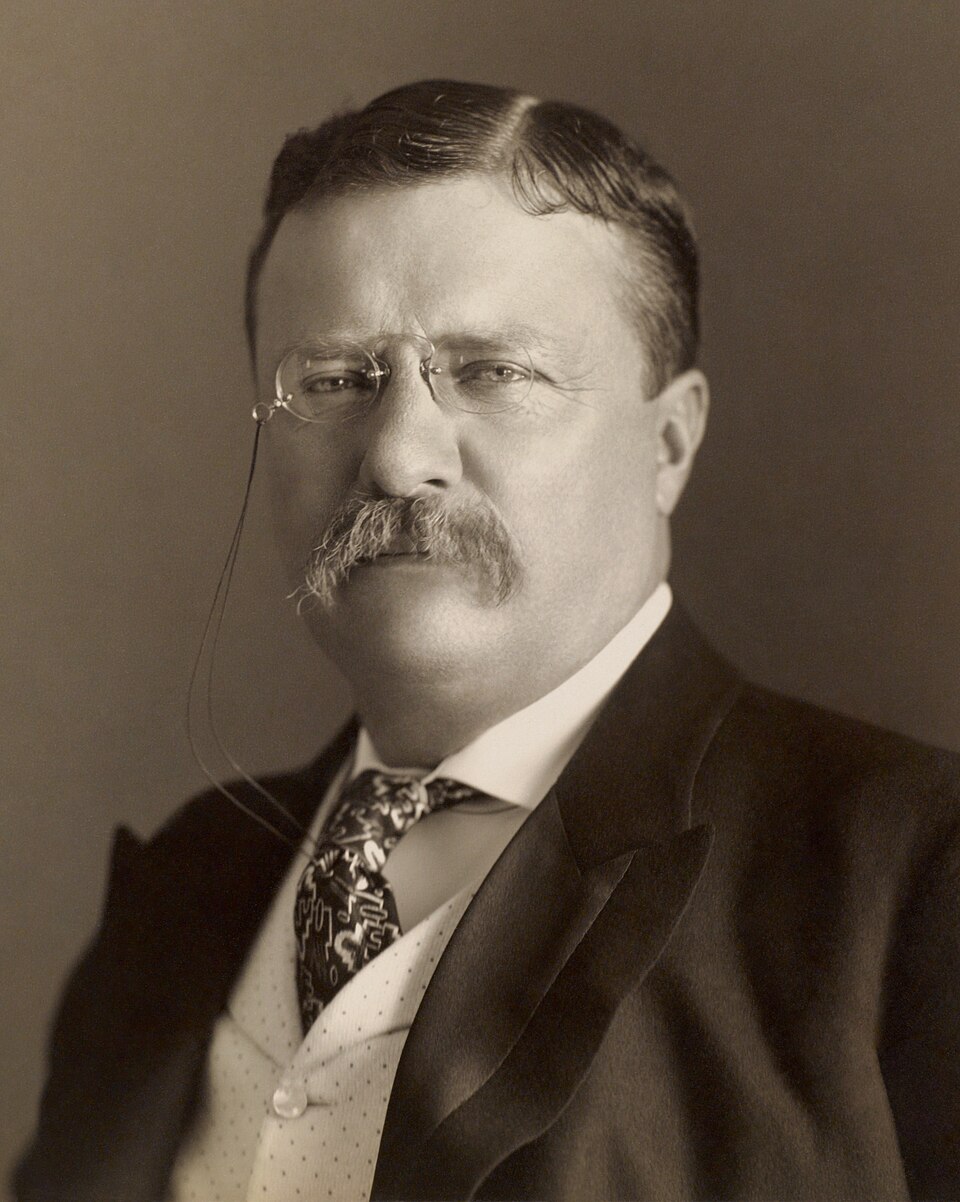
Theodore Roosevelt’s routine makes more sense once you know the childhood behind it.
He was a sickly kid with asthma, weak lungs, and enough physical limitations that he could have accepted a smaller life. He chose the opposite. He turned exertion into identity.
That decision followed him for decades. Student, rancher, police commissioner, soldier, president, writer. Different jobs, same instinct. Read hard. Move hard. Keep the spirit aggressive.
Theodore Roosevelt’s day at a glance
- Early morning: read, write letters, and get moving
- Morning into afternoon: meetings, decisions, and bursts of focused work
- Midday or afternoon: riding, walking, boxing, or some other physical challenge when possible
- Evening: family, reading, and more writing
- Ongoing: treat vigor as a duty, not a hobby
The exact timing changed across his life, but the pattern stayed surprisingly consistent.
His early life practically forced the routine into existence
Roosevelt grew up in New York with severe asthma and weak eyesight, and childhood illness was not a small footnote. It shaped his sense of self. He learned early what it felt like to be physically limited, frightened, and dependent on other people’s strength.
That helps explain the intensity of the adult schedule. He did not stumble into boxing, hiking, riding, and hard walking because they sounded impressive. He built them as a response to weakness. The young naturalist who loved animals and books became the adult who insisted body and mind had to be trained together.
He trained himself out of frailty
Roosevelt’s father once told him he had the mind but not the body and would have to make the body.
That line matters because Roosevelt took it seriously. He started lifting, boxing, hiking, rowing, and riding. What began as compensation became philosophy.
Here is the thing: for Roosevelt, movement was never only about health. It was moral. He believed softness of habit could turn into softness of character.
That belief shows up in the way he lived. Even when his jobs became heavily administrative, he kept looking for some kind of physical test. A horseback ride. A punishing walk. A sparring session. Good hiking boots would have made perfect sense in his orbit because he did not treat the outdoors as scenery. He used it as resistance.
The presidency did not make him sedentary
A lot of people become more ceremonial as they gain power.
Roosevelt did not fully bend that way. As president, he packed the day with meetings, reading, correspondence, and public obligations, but he was also known for turning walks into ordeals and keeping a level of physical energy that exhausted the people around him.
That is part of what made him unusual. He did not build a life where responsibility replaced vitality. He tried to force both into the same day.
Related video: a documentary overview of how Roosevelt's forceful style shaped both his life and his presidency.
The hard years deepened the routine
One of the defining breaks in Roosevelt’s life came in 1884, when his mother and first wife died on the same day.
He left New York and went west to the Dakota Territory. The ranch years mattered. They were not an escape in the soft sense. They were a harder life that gave him room to absorb grief through work, riding, weather, and physical endurance.
What this really means is that Roosevelt’s routine was not built only in success. It was reinforced in loss.
That is why his later energy carried more weight than simple ambition. He had already learned that movement and effort could keep a person from collapsing inward.
He kept reading like a man with three lives
Roosevelt wrote books and essays at a pace that still looks a little absurd.
That output only makes sense if you remember how seriously he took reading. He read constantly and across subjects. History, politics, war, nature, biography. He did not treat reading as ornamental culture. It was part of how he kept his mind sharp enough to act.
That combination is what makes his routine worth studying now. Physical exertion on one side. Heavy intellectual input on the other.
Most people lean too far in one direction. Roosevelt pushed both.
What you can borrow from Theodore Roosevelt
- Build strength because life gets more demanding, not less.
- Use physical challenge to keep your spirit awake.
- Read widely enough that your decisions do not run on slogans.
- Let grief or difficulty push you toward structure instead of passivity.
- Stop treating vigor like a bonus feature of life.
Theodore Roosevelt’s routine was not elegant.
It was alive.
That is the part worth stealing. He arranged his days so effort kept meeting him before comfort did.
.jpg)