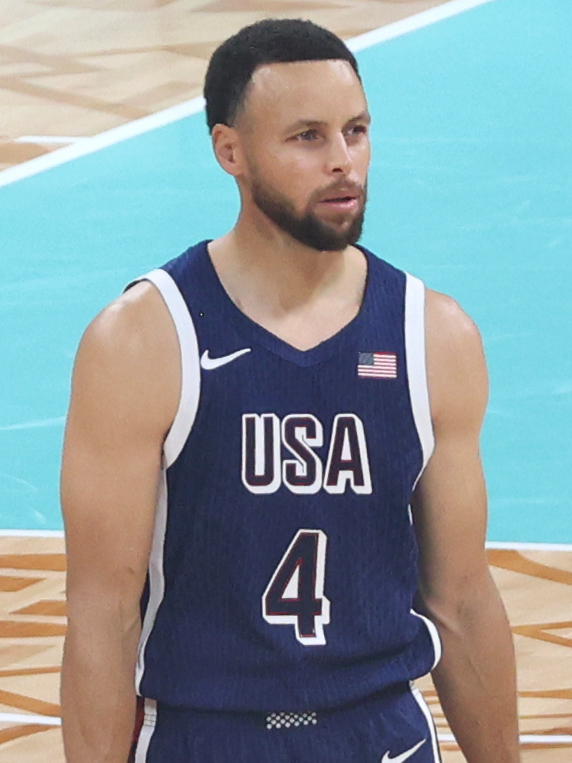
Stephen Curry’s routine is worth studying because it is built on a very unfancy truth:
he gets a ridiculous number of quality reps.
That sounds obvious until you notice how many elite performers still try to substitute vibe, confidence, or vague “hard work” language for actual practice design.
Curry’s public habits point in the opposite direction. Make the drills harder than the game. Get there early. Repeat the mechanics. Respect recovery. Use rituals to sharpen focus instead of making yourself feel important.
That is a serious system.
Stephen Curry’s day at a glance
- Before competition: arrive early and build rhythm through a detailed shooting routine
- Training blocks: mix skill work, movement, mobility, and strength rather than treating them as separate worlds
- Recovery: use off-days as recovery days, not accidental laziness
- Mental game: keep focus simple and repeatable under pressure
He practices before the crowd shows up
One of the clearest windows into Curry’s routine came from ESPN in 2018.
Chris Haynes reported that Curry’s famous pregame ritual starts about 90 minutes before tipoff and has become its own event, with fans arriving early just to watch him work. That is revealing for a reason beyond celebrity. The routine exists because he needs the reps, not because people enjoy watching them.
He uses those minutes to calibrate touch, timing, footwork, and feel before the real game begins.
That is what disciplined performers do. They do not wait for game conditions to create rhythm. They build rhythm before the stakes arrive.
A good indoor basketball or a set of training cones matters only because it supports the larger lesson: show up early enough to make the first serious reps yours.
He makes practice harder than the game
This may be the most transferable Curry habit of all.
In Men’s Health, Curry said that even in training he adds elements that make the game harder so actual competition feels easier. The quote is simple, but the principle is elite. Instead of practicing in the most flattering conditions possible, he raises the difficulty on purpose.
That changes everything.
Harder footwork. Worse angles. Faster release. Extra variables. Less comfort.
Then, when the game simplifies things even a little, the body is ready.
This is how real confidence gets built. Not by telling yourself you are ready, but by putting yourself through reps that prove it.
The routine depends on volume, but not mindless volume
The same Men’s Health piece reported that Curry puts up at least 100 shots before each game just to see the ball go in and build confidence. He also said there is no way to cheat the system. Either you put the work in or you do not.
That line matters because it cuts straight through a lot of fake productivity culture.
There is no shortcut for skill that depends on precision.
But Curry’s routine is not just about piling on random volume. It is targeted volume. Specific shots. Specific movement patterns. Specific timing. The kind of repetition that makes a release more automatic under pressure.
That is a much more demanding habit than simply “working hard.”
Mobility and recovery are built into the system
Another useful look at Curry’s routine came from GQ, where trainer Brandon Payne walked through how they structure his offseason work.
Payne explained that they do not jump straight into heavy lifting. They start with mobility and corrective work tied to the wear and tear of the previous season. He also described using readiness data to choose the best training window for a given day, keeping most sessions in the 90-minute to two-hour range, and building in recovery days instead of pretending every day should feel maximal.
That is a mature routine.
It respects the fact that longevity is not built by redlining all the time. It is built by knowing when the body needs different work.
A foam roller or resistance bands can help, but the deeper takeaway is better than any tool: maintenance is performance work.
His warmups are really rehearsal
People often talk about Curry’s pregame routine like it is a sideshow.
It is not.
It is rehearsal.
By the time the arena is full, he has already run through movements, touch, coordination, and concentration under a high number of reps. He is not meeting the game cold. He is arriving with evidence in his body that the mechanics are there.
That is a smart habit in any field where performance is public.
Rehearse enough that the opening minutes are not your first honest contact with difficulty.
He uses a simple cue to focus
One of the most interesting Curry habits is how little drama there is in his mental routine.
In Men’s Health, he said his pregame line is “Lock in.” That is it.
No complicated visualization script. No endless psych-up theater. Just a short cue that tells his mind what mode to enter.
That simplicity is part of the brilliance.
Under pressure, long speeches are not as useful as one phrase that can be repeated until attention narrows.
It is a good reminder that mental discipline often works best when it is compressed.
The routine keeps evolving because the stakes keep evolving
There is another lesson hiding in Curry’s training habits.
He is not practicing like a young player trying to survive his first season. He is practicing like a veteran whose challenge is to stay explosive, sharp, and durable over time. That changes the balance. Recovery matters more. Precision matters more. Wasted reps matter more.
So the routine is not static.
It is responsive to the stage of the career while staying loyal to the same core values: preparation, repetition, difficulty, and focus.
That is what sustainable excellence usually looks like. Not one perfect routine forever, but a stable philosophy expressed differently as the body and context change.
Related video: Curry's trainer walks through the mobility, coordination, and recovery logic behind the work, which makes the routine much more useful than another generic "athlete workout" clip.
He does not confuse flair with preparation
This might be the best summary of the whole routine.
Curry’s game is spectacular, but the habits under it are not flashy.
Arrive early.
Repeat hard reps.
Make practice tougher than competition.
Respect recovery.
Use a short focus cue.
Do all of that over and over until the spectacular part starts looking natural.
That is why his routine holds up as a model. It reminds you that the visible magic usually comes from invisible order.
What you can borrow from Stephen Curry
- Start important performances with a real warmup, not a rushed beginning.
- Make practice slightly harder than game conditions.
- Use repetition to build confidence you can actually trust.
- Treat recovery and mobility as part of performance, not a side hobby.
- Keep your mental cue short enough to use under pressure.
Stephen Curry’s routine works because it is built for repeatable excellence, not highlight-reel mythology.
He does not practice to look ready.
He practices until readiness is obvious.


.jpg)