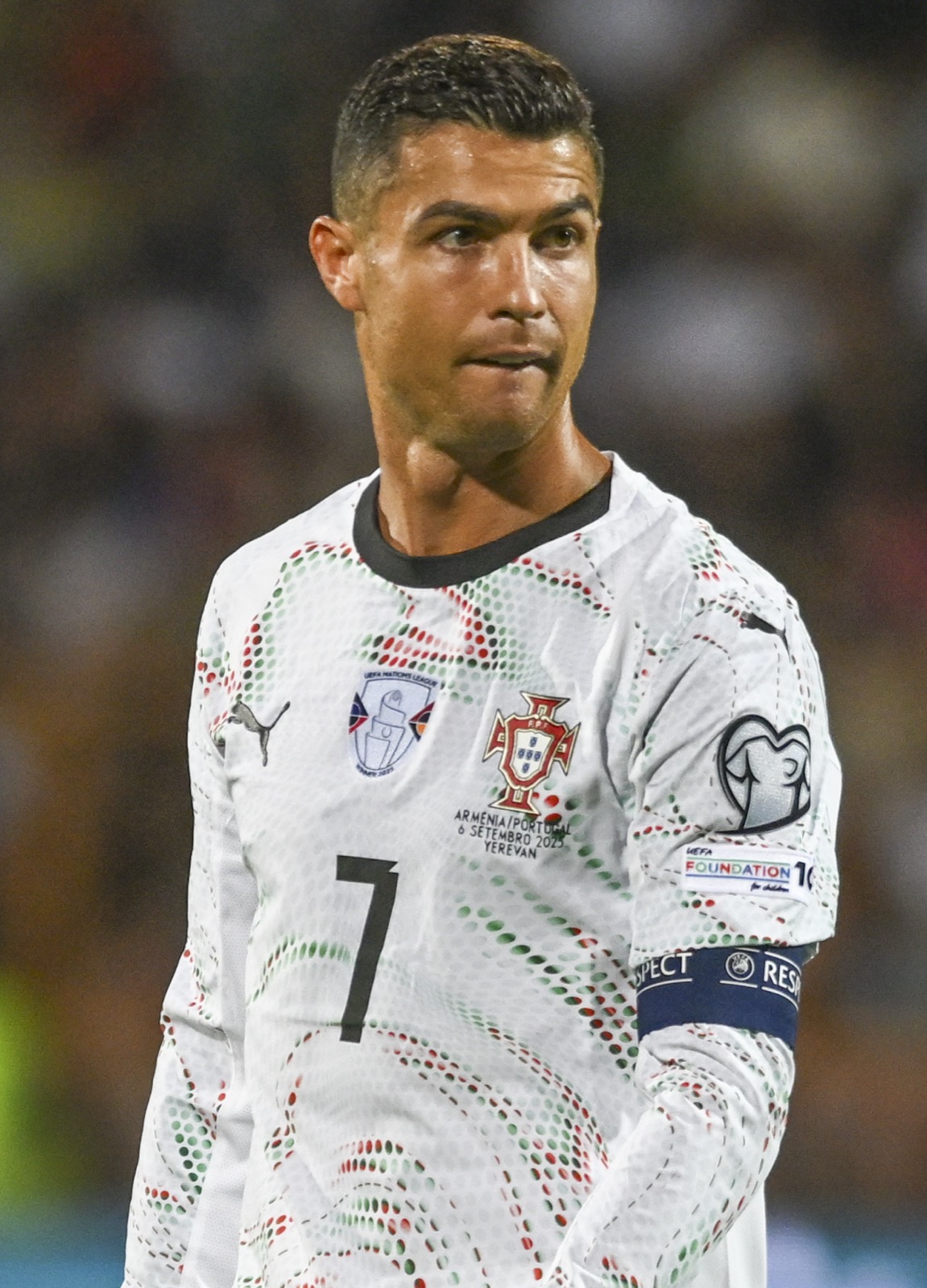
Cristiano Ronaldo’s routine makes more sense when you stop treating it like celebrity mythology.
The useful part is not that he is famous. The useful part is that he has kept world-class output alive for a very long time in a sport that usually punishes age fast.
That kind of career does not happen by accident. Training matters, obviously. But so do the quieter things: recovery, sleep, repetition, and not living like every day is a test of macho exhaustion.
Cristiano Ronaldo’s day at a glance
- Morning: wake up, get moving, and prepare for training
- Daytime: football work, gym work, recovery, and performance-focused meals
- Ongoing: protect sleep and body maintenance like they are part of the job
- Evening: wind down in a way that makes the next session possible
The real headline is repeatability
Ronaldo is often discussed as if the secret is raw intensity.
That is too shallow.
Intensity is visible. Repeatability is what actually compounds. The more interesting lesson in his routine is that the body has to stay available often enough for the hard work to count. That means the routine cannot be built only around effort. It has to be built around preserving the ability to make effort again tomorrow.
This is where people usually get lost. They admire the output and ignore the maintenance system underneath it.
A lot of the work is invisible on purpose
One of the better phrases attached to Ronaldo’s longevity is “invisible training.”
That idea shows up in reporting from coaches and staff who have described how much of his behavior is tailored toward performance even when cameras are not around. Sleep, recovery, food choices, body maintenance, timing. The glamorous part is the goal. The durable part is everything wrapped around it.
That matters because people often confuse discipline with spectacle. If the hard thing is not visible, they assume it is not happening. Ronaldo’s routine suggests the opposite. Some of the highest-value effort is the effort nobody claps for.
That is a useful correction whether you are an athlete or not. Results often come from systems people never see.
He treats recovery like part of training
In a 2025 conversation with WHOOP, Ronaldo talked about recovery, sleep, and consistency as core pieces of longevity. That framing matters. He was not describing recovery as something soft or optional. He was describing it as one of the main reasons performance stays possible.
That is the big lesson.
If you only love the hard session, eventually the hard session stops loving you back.
A foam roller, massage gun, or a simple mobility habit will not turn anyone into Ronaldo. But they do point at the same principle: the body needs upkeep before it needs rescue.
Related video: Ronaldo talking with WHOOP about the habits he connects to recovery, longevity, and staying sharp.
Sleep is part of the performance plan
One of the more revealing public details about Ronaldo’s approach is that he has taken sleep seriously enough to work with sleep coach Nick Littlehales. Littlehales argued that athletes should think in terms of recovery cycles instead of bragging about sleeping less.
That is a useful correction.
Sleep deprivation still gets sold as discipline in a lot of corners of the internet. Elite sport keeps telling a different story. If your body is the business, sleep is not downtime. It is repair, regulation, and preparation.
Ronaldo’s routine is a strong reminder that serious performance usually looks less dramatic than people want. It often looks like going to bed.
Consistency beats occasional perfection
Another smart piece in Ronaldo’s public comments is the emphasis on consistency instead of chasing one perfect recovery day.
That is how strong routines usually work. You do not need a miracle protocol every once in a while. You need a baseline you can trust. Similar bedtimes. Similar wake times. Similar standards for training, food, and recovery. That is how the body stays predictable enough to perform.
People chase peaks because peaks are exciting. Ronaldo’s routine is more about avoiding unnecessary valleys.
That may be the most transferable lesson in the whole article. A stable routine often wins before motivation even gets a chance to matter.
The routine is strict because the job is unstable
Professional football looks glamorous from the outside, but the performance demand is brutal.
Travel changes. Match calendars change. Recovery windows shrink. One bad stretch can turn into injury, lost sharpness, or months of rebuilding. That is why strong athletes tend to get stricter, not looser, as the stakes rise.
Ronaldo’s routine seems built around reducing unnecessary variance. Train. Recover. Eat for output. Sleep. Repeat.
That is not boring. That is how you keep the baseline high.
Why the routine gets more valuable with age
Young athletes can get away with waste for a while.
Later in a career, waste gets expensive. Poor sleep lingers longer. Recovery slows down. Small mistakes compound. That is why Ronaldo’s routines around sleep and recovery matter even more now than they would have twenty years ago.
The mistake most people make is waiting until the body forces them to care. Ronaldo’s example suggests the better move is to care early enough that decline has to work harder to find you.
Longevity changes the meaning of discipline
The older an athlete gets, the less useful empty toughness becomes.
At that point, discipline has to become intelligent. You cannot keep paying for today with tomorrow’s legs forever. Ronaldo’s public habits make more sense through that lens. He is not just chasing one great performance. He is trying to preserve the ability to produce again and again.
What this really means is that the best routines are not built to impress people who are watching from the outside. They are built to solve the actual problem of the work.
For Ronaldo, the problem is staying explosive, durable, and ready. The routine answers that problem directly.
What you can borrow from Cristiano Ronaldo
- Treat recovery as work, not as a reward.
- Stop acting like less sleep automatically means more discipline.
- Build routines around what you need to repeat, not just what you can survive once.
- Use simple gear and habits to maintain the body before it breaks down.
- Think long-term enough that today’s effort does not sabotage next week.
Cristiano Ronaldo’s routine is useful because it replaces the fantasy of nonstop intensity with something better.
Consistency wins longer.