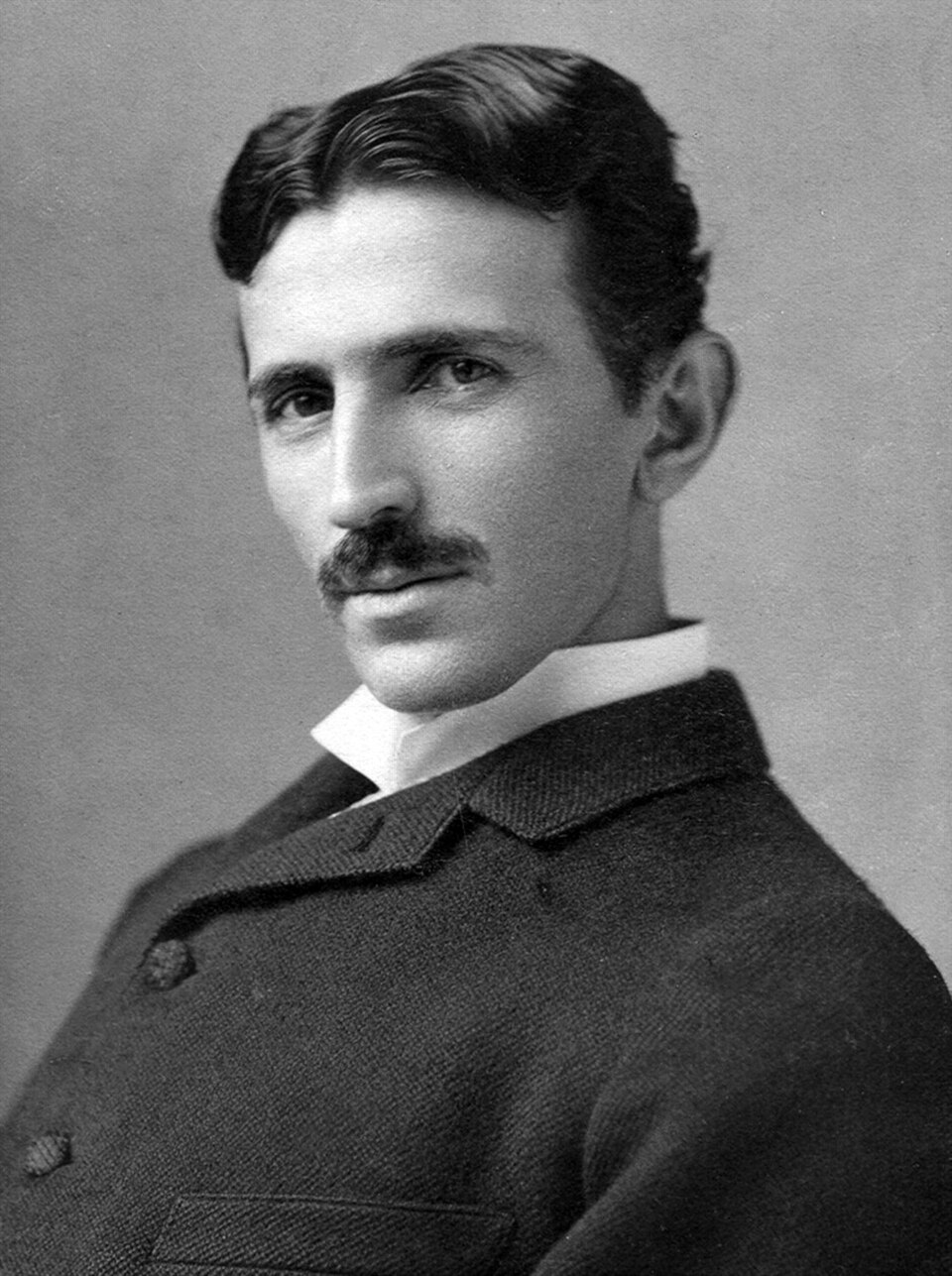
Nikola Tesla’s routine is the kind people love to turn into mythology.
Some of that is deserved. Some of it gets exaggerated.
He clearly worked intensely, kept unusual hours, walked a lot, and relied heavily on mental visualization before building things. At the same time, many of the most dramatic claims about his sleep and eccentricity come from later accounts and should be treated carefully.
That is the right way to read Tesla’s day. Fascinating, yes. Also human, unstable, and at times costly.
Nikola Tesla’s day at a glance
- Late morning or afternoon: work on designs, experiments, and correspondence
- Evening into night: extended concentration and technical work
- Daily: long walks and repetitive habits that seemed to help him think
- Ongoing: visualize inventions mentally before building them
- Ongoing: push focus so far that it sometimes narrowed the rest of life
The early life already pointed toward invention
Tesla was born in the Austrian Empire to a Serbian family, with a priest for a father and a mother remembered for her practical ingenuity. That family mix matters. Language, memory, craft, and invention were all close at hand.
His childhood was also marked by intense imagination and strong mental imagery, which later became one of the signatures of his working method. The adult habit of designing machines in his head did not arrive out of thin air. It looks like an extension of traits that were there very early.
He trusted mental rehearsal more than most inventors do
Tesla described building and testing inventions in his mind before touching tools.
That is one of the most useful parts of his routine because it shows how much serious thought can happen before action. He was not only grinding hours. He was pre-solving problems internally.
That does not mean everyone should copy him literally. But it is a good reminder that deep work often begins before the desk. Sketching in a graph notebook or walking with ideas long enough to clarify them can prevent a lot of noisy trial and error.
The late hours were real, but they came with a cost
Tesla became known for working extremely late and sleeping very little.
Some biographies repeat very dramatic numbers. Those exact figures are hard to verify cleanly, and the safest conclusion is simpler: he kept unusually long hours and often prioritized work above ordinary recovery.
That distinction matters because people tend to romanticize self-neglect when genius is involved. Tesla’s life offers a warning along with the inspiration.
Related video: a documentary look at Tesla's inventions, working habits, and the solitude that defined much of his life.
The routine changed as success and isolation changed
Young Tesla was an ambitious engineer trying to make big ideas real in a competitive industrial world.
Later Tesla became more isolated, more hotel-bound, and more eccentric in his habits. The famous stories about repetitive behaviors, exact preferences, and pigeon attachments mostly belong to that later phase.
That life arc matters because routines are not always signs of health. Sometimes they are a way of holding a person together as the rest of life narrows.
His walks were part of the work
Tesla reportedly walked long distances each day, often using movement as part of problem-solving.
That is worth taking seriously. A lot of technical people still discover that motion loosens thinking in ways staring does not.
What this really means is that even very cerebral routines benefit from physical rhythm. The mind is not a floating object.
What you can borrow from Nikola Tesla
- Think through problems deeply before touching the tools.
- Use walking as part of the creative process.
- Be careful about romanticizing extreme sleep deprivation.
- Let routines support concentration, but watch when they harden into isolation.
- Remember that genius is not automatically the same thing as wisdom.
Nikola Tesla’s routine is compelling because it shows both the power and the danger of obsession.
That makes it more useful than the simplified legend.