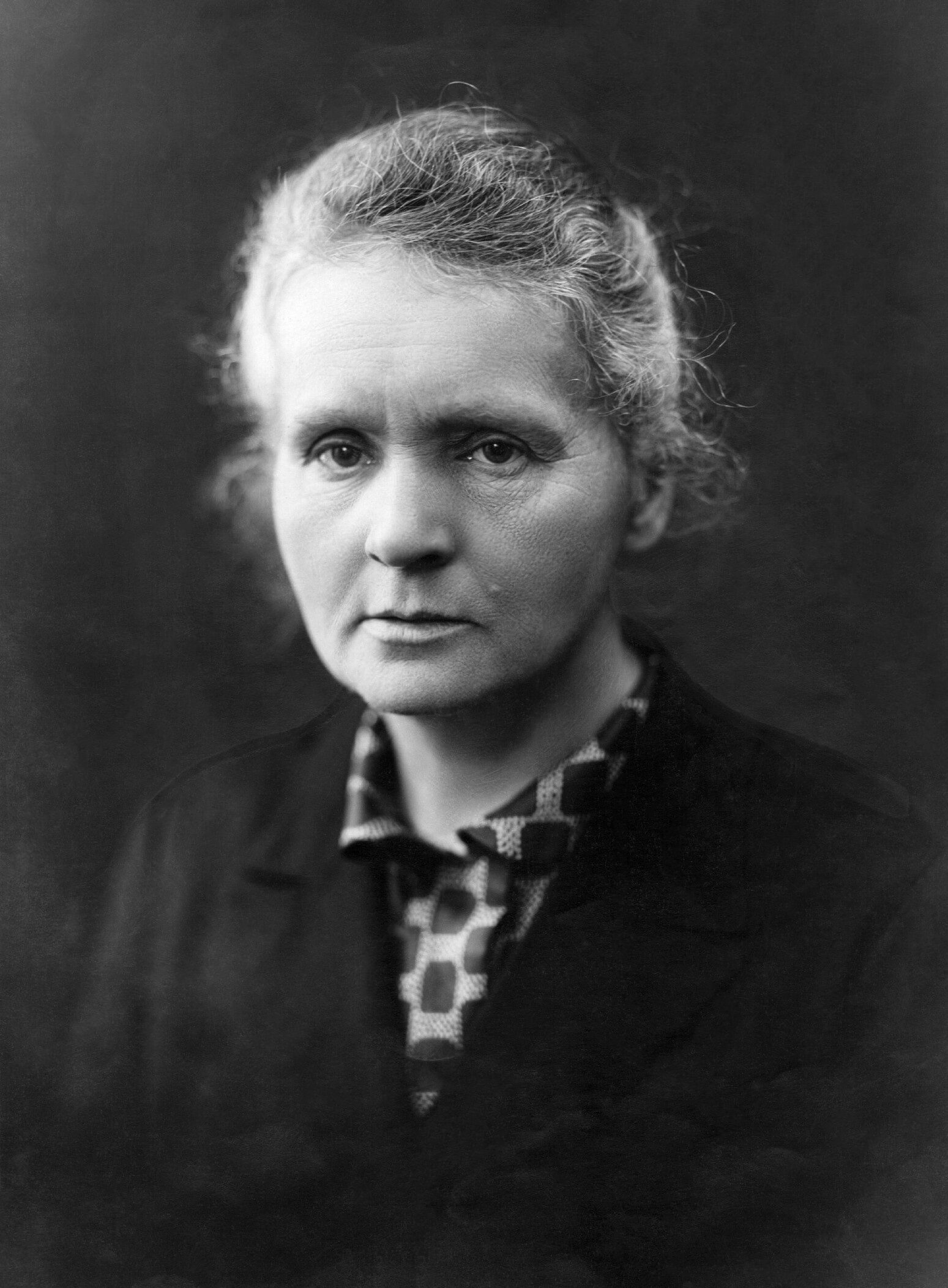
Marie Curie did not leave behind the kind of neatly documented daily schedule the internet loves.
That is actually useful to admit.
What the historical record does show is a clear pattern. She lived simply, worked intensely, spent long hours in the lab, and kept returning to difficult questions with unusual patience. So the smart way to study her routine is not through fake timestamps. It is through habits of mind and work.
Marie Curie’s day at a glance
- Long stretches of concentrated scientific work
- Simple living that kept attention on research
- Ongoing note-taking, experimentation, and persistence through tedious processes
- Time away from the lab through walking or cycling when possible
Concentration was the real routine
Curie’s work on radioactivity required patience at a level most people never experience. Not just flashes of genius. Repetition, measurement, failure, and more repetition.
That matters because it cuts through the mythology.
Here is the thing: the daily life behind great science is often less dramatic than the discovery itself. It is usually long concentration applied to problems that do not yield quickly. A durable lab notebook is closer to the real spirit of that work than any glamorous productivity tool.
Curie’s routine seems to have honored that reality.
Simplicity helped protect the work
Accounts of Curie’s life repeatedly emphasize how modestly she lived and how thoroughly she gave herself to research. That kind of simplicity can be read as deprivation if you want. It can also be read as focus.
She does not look like someone trying to build a beautiful routine. She looks like someone trying to build understanding.
That is a sharp difference, and it is worth noticing in a culture that often confuses self-presentation with seriousness.
Related video: a concise overview of Marie Curie's work, persistence, and scientific impact.
The bigger lesson is endurance in thought
Curie’s routine is useful because it shifts attention back to the thing that actually matters. Can you stay with a hard problem long enough to learn something real?
What this really means is that many people do not need a prettier routine. They need a sturdier attention span.
Curie’s life is an extreme reminder of that.
Why simplicity helped serious thought
Marie Curie’s routine is compelling partly because it strips away so much decoration. The work sits at the center, and the rest of life is organized to support it.
That kind of simplicity is not glamorous, but it can be powerful. Fewer distractions, fewer social performances, and fewer unnecessary complications make it easier to stay with difficult ideas for longer.
For a scientist doing patient, demanding work, that matters more than a stylish schedule ever could.
Endurance mattered more than intensity
Curie’s example also pushes against a modern misunderstanding of productivity. Breakthrough work is not always explosive. Often it is sustained.
Long concentration, repeated experimentation, and the willingness to return to the same problem again and again are what make the routine meaningful. It is a study in endurance more than speed.
That is why her schedule still speaks to anyone doing hard intellectual work. It rewards steadiness over theater.
What you can borrow from Marie Curie
- Stop expecting meaningful work to feel exciting every hour.
- Protect concentration more fiercely than appearance.
- Accept that serious progress often looks slow from the inside.
- Live simply enough that important work has room to dominate.
- Build patience, because hard problems rarely reward hurry.
Marie Curie’s routine still matters because it pulls the conversation back to substance.
Less performance. More work that can withstand reality.