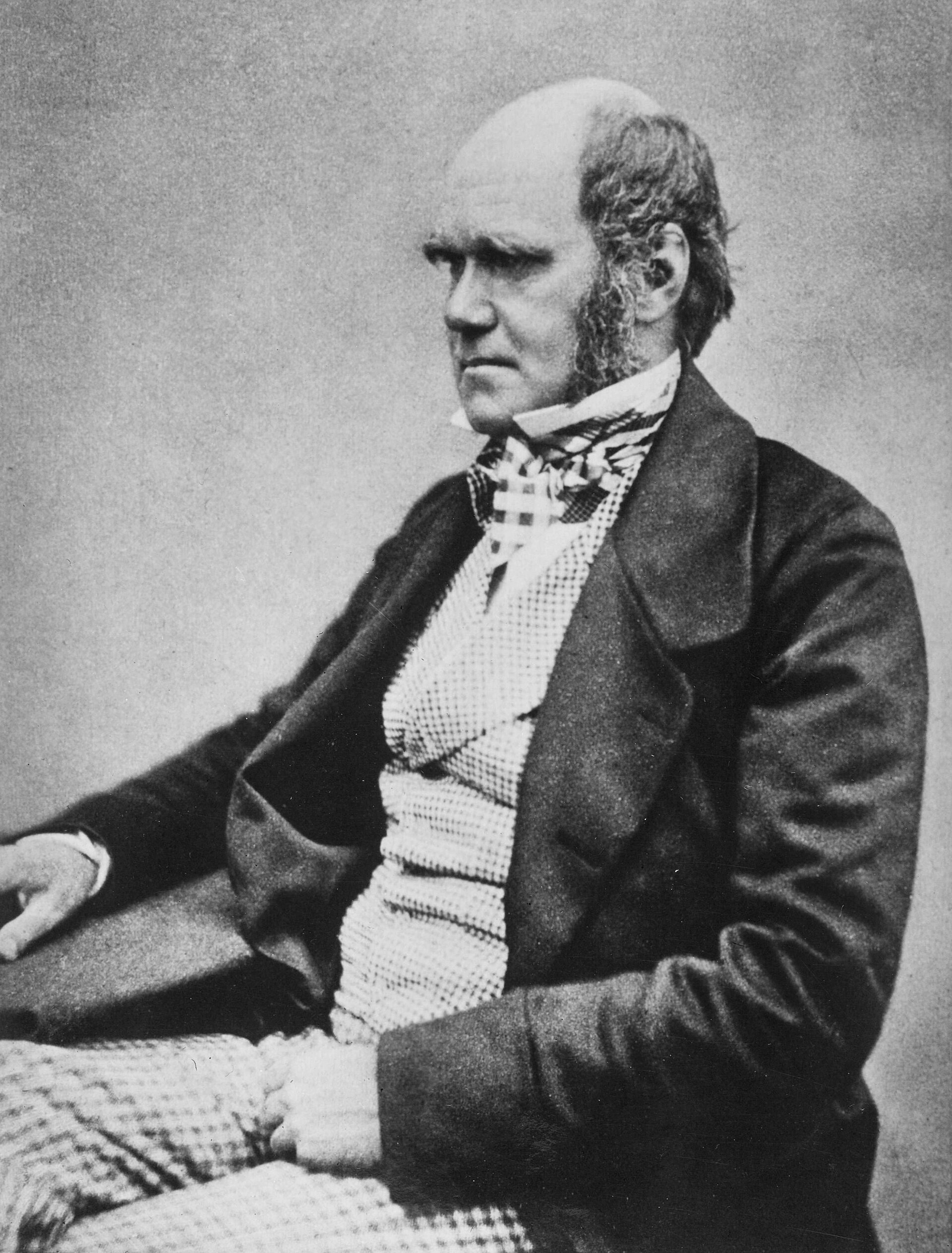
Charles Darwin’s routine is one of the best documented serious-work schedules on record.
It is also one of the most realistic.
He did not work endlessly. He worked in carefully protected bursts, took walks, rested, answered letters, and respected the fact that his energy was limited. The structure was not decorative. It was how he kept producing despite chronic illness and demanding intellectual work.
Charles Darwin’s day at a glance
- 7 a.m.: wake up
- Early morning: short walk and breakfast
- 8 a.m. to 9:30 a.m.: first deep work session
- Late morning: read letters, then return to work
- Around noon: principal workday ends
- Afternoon: walk the Sandwalk, rest, read, or handle correspondence
- Evening: lighter reading, family time, and an early finish
That is a lot less macho than people expect from a giant scientific mind.
That is one reason it is so useful.
He put the hardest thinking first
Darwin treated the early work session as the most important part of the day.
That makes sense. He was doing mentally expensive work: drafting arguments, refining observations, sorting evidence, and trying not to fool himself. Those tasks go better when the mind is clear.
Most people already know this in theory and then spend the first clean hour of the day on email. Darwin’s schedule points in the opposite direction. Use the best energy on the hardest thinking. Let the lower-value work wait.
Simple rule. Still widely ignored.
He worked in bursts, not marathons
One of the most striking things about Darwin’s routine is that the total deep-work window was limited.
That was partly practical because of his health. It was also smart.
He seems to have understood that serious thought has a real limit. Instead of pretending he could produce equally well for twelve straight hours, he built a day that concentrated effort where it would count most.
That is a much higher standard than glorifying exhaustion.
Walking was part of the science
Darwin’s Sandwalk at Down House is famous for a reason.
It was not just exercise. It was part of the rhythm of inquiry.
Walking let him think without the compression of the desk. It gave observations time to settle, questions time to mature, and arguments time to rearrange themselves. The movement was gentle, repetitive, and integrated into the day rather than tacked on as a separate wellness ritual. Good walking shoes or a compact field notebook fit naturally here because the walk was part of the thinking, not a break from it.
That is worth noticing. For some kinds of work, walking is not a break from thinking. It is one of the ways thinking continues.
Rest was not optional
Darwin’s schedule can look fragmented if you compare it to the nonstop modern workday.
It is better understood as intelligently paced.
He rested because he had to, but also because pacing made better use of the hours he did have. A schedule built around fluctuating energy forced him to be more deliberate about what each block was for.
That is one reason the routine still feels contemporary. Many people do not need more ambition. They need better pacing.
He handled correspondence without letting it swallow the day
Darwin wrote and received an enormous number of letters.
That mattered because science in his era depended heavily on correspondence. Observations, specimens, questions, and challenges moved through the mail.
But the letters did not fully own the schedule. They had a place.
That is a useful lesson now that email and messaging have become permanent traps. Communication matters. It just should not get first claim on the brain.
Why Darwin’s routine still works as a model
The deeper pattern here is not Victorian quaintness. It is energy management in service of difficult work.
Darwin identified his best hours, used them hard, added walking to help thought continue, and accepted that recovery was part of productivity rather than a moral failure.
That is not softness. It is precision.
Why the afternoon walk mattered so much
The Sandwalk was effective because it gave Darwin a repeatable transition between concentrated effort and looser reflection.
A lot of good ideas do not arrive while you are forcing them. They arrive just after force has done enough.
His schedule leaves room for that.
What you can borrow from Charles Darwin
- Put your most demanding thinking in the first serious work block of the day.
- Stop pretending all hours are equal.
- Use walking to extend thought instead of only treating it as exercise.
- Give correspondence a place, but do not let it become the day.
- Pace the schedule so tomorrow’s work is not destroyed by today’s overreach.
Charles Darwin’s routine remains useful because it is disciplined without being theatrical.
He arranged the day around the realities of mind, body, and scientific work. That is a stronger model than trying to look tireless.