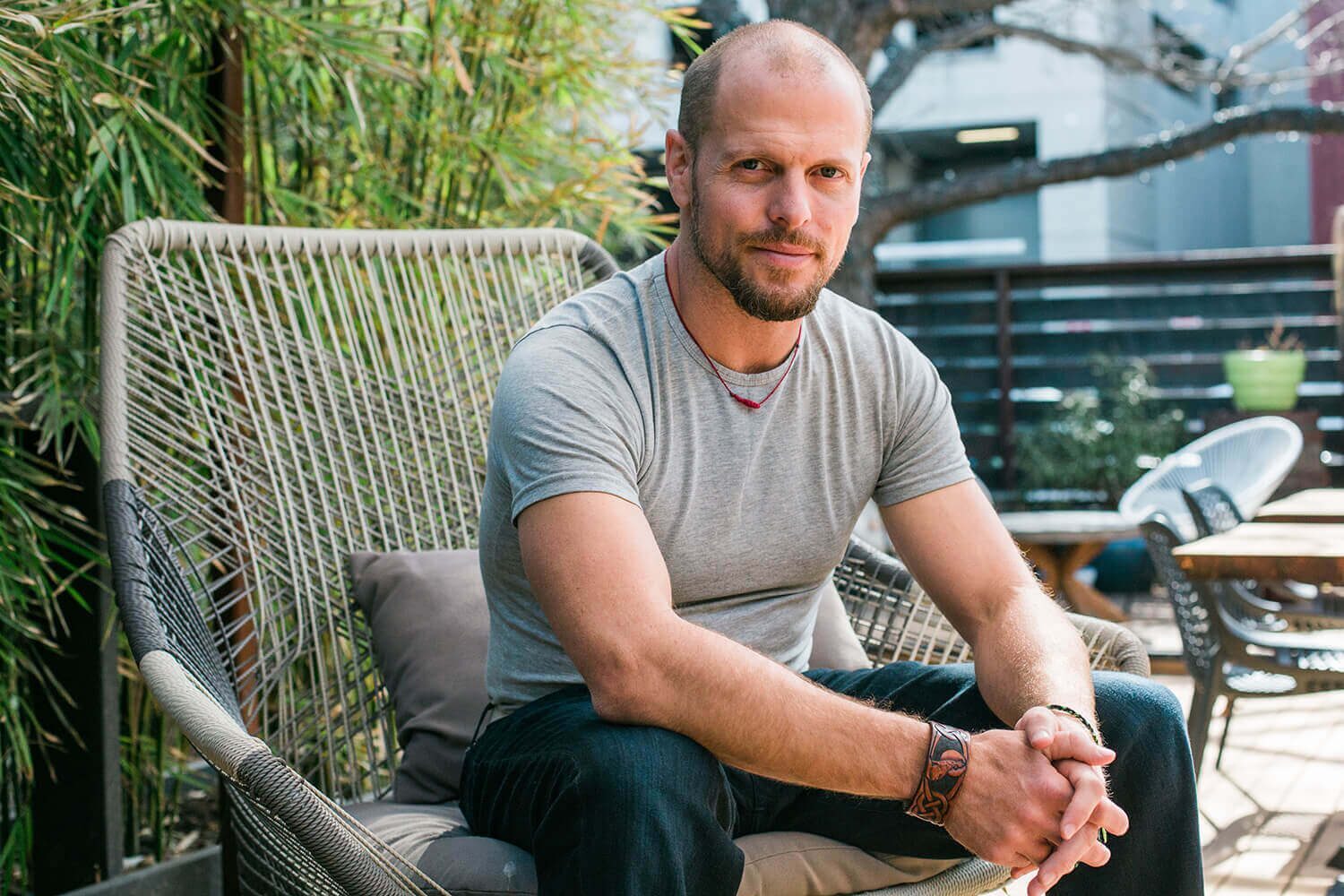
Tim Ferriss is known for testing things.
That is the best way to read his routine. Not as a sacred formula, but as a working set of habits he has found useful for clarity, energy, and focus. The details have shifted over the years, but a few practices show up again and again.
Ferriss’s routine at a glance
- make the bed
- meditate for 10 to 20 minutes
- journal for a few minutes
- drink strong tea
- eat a small breakfast
- do at least some form of movement
Simple list. Useful list.
He starts with a quick win
Making the bed is one of those habits that sounds almost too small to matter, until you notice what it actually does.
It creates order fast. It gives the day a clean opening move. It also turns you from someone who is waking up into someone who has started.
Ferriss has talked about how visible disorder can create internal distraction. That tracks. Your environment does not control your state, but it does influence it.
Meditation trains focus before focus is needed
Ferriss often speaks about meditation in practical terms. The idea is not to become mystical before breakfast. The idea is to practice attention while the stakes are low, so attention is easier to access when the stakes rise.
That is a smart frame because it makes meditation easier to understand. You are training steadiness, not chasing perfection.
If twenty minutes feels like a lot, start smaller. The habit matters more than the performance.
Journaling helps sort the signal from the noise
Ferriss has described using journaling in two broad ways:
- to get unstuck on a problem
- to focus on priorities and gratitude
That is a useful distinction. Some mornings call for clearing mental clutter. Others call for deciding what deserves energy today.
What this really means is that journaling works best when it has a job. Vague reflection is fine, but targeted reflection is usually better.
Tea and breakfast stay simple
Ferriss is known for his strong tea blend and small breakfast. The exact ingredients are not the important part. What matters is that the meal is deliberate, repeatable, and light enough that it does not drag on the morning.
A good morning routine usually benefits from this kind of simplicity. If every breakfast requires negotiation, shopping, preparation, and ten choices, the routine gets fragile.
Movement wakes up the system
Ferriss has recommended everything from a few reps of basic bodyweight exercise to much longer workouts depending on the day. The principle is straightforward: get into your body early.
That is useful for more than fitness. Physical movement changes mood, cuts through mental fog, and makes it easier to shift from passive consumption to active work.
You do not need a full training session every morning to get that effect. Sometimes a short burst is enough.
The bigger lesson: keep what works
Ferriss’s routine is not valuable because it is perfect. It is valuable because it is composed of habits with clear purposes.
- the bed creates order
- meditation sharpens focus
- journaling clarifies direction
- tea and breakfast simplify the start
- movement changes state
That is why the routine holds together. Each part earns its place.
Why experimentation beats dogma here
Ferriss’s routine only really makes sense if you remember who Ferriss is. He is an experimenter.
That means the habits are not valuable because they are trendy or permanent. They are valuable because they have survived repeated testing in his own life. Meditation stays because it works. Journaling stays because it solves specific problems. Tea, movement, and a simple breakfast stay because they reduce friction.
The routine is less a doctrine than a retained set of useful results.
How to stop the routine from becoming another project
There is a trap here for readers. You can turn routine-building into a hobby that replaces the real work.
Ferriss’s better lesson is functional minimalism. Each habit should have a clear job. If it does not help focus, mood, energy, or clarity, it probably does not deserve a permanent place.
That keeps the routine lean. Test. Keep what works. Drop what does not. Then move on with the day.
What you can borrow from Tim Ferriss
- Start with one action that creates immediate order.
- Meditate briefly and consistently instead of occasionally and heroically.
- Journal with a question, not just a blank page.
- Keep breakfast simple enough to repeat.
- Use movement to flip the switch into the day.
Ferriss’s routine works because it is built from useful, low-drama habits. That is usually a better sign than a routine that looks impressive on paper.