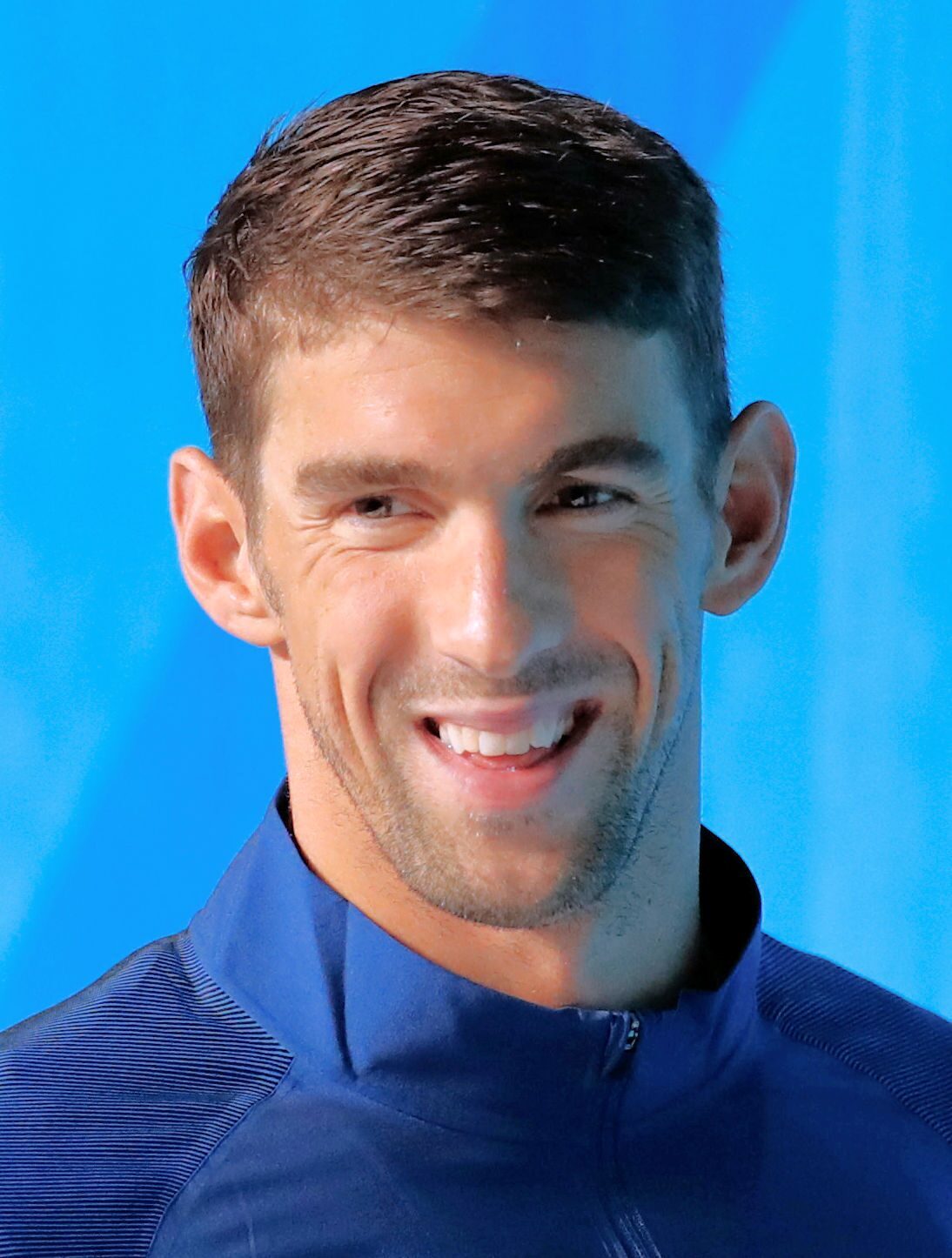
Michael Phelps’ routine was built for one thing.
Repeatable dominance.
At his peak, the schedule was not casual. Swim, recover, eat, train again, repeat across most of the year. The famous stories about volume are not the interesting part by themselves. What matters is how thoroughly his day was organized around the demands of the craft.
That is what made the results possible.
Michael Phelps’ day at a glance
- Early morning: first swim session
- Midday: food, recovery, dryland work, and rest
- Afternoon: second major training block
- Ongoing: protect recovery and mental preparation so the volume stays sustainable
The routine was built around repetition
Phelps became the most decorated Olympian in history because he repeated the essentials far more than most people are willing to.
That sounds simple because it is simple.
The hard part is not understanding the formula. The hard part is tolerating how repetitive the formula can be. Pool time, more pool time, body maintenance, more pool time.
Here is the thing: extraordinary performance often looks monotonous from the inside. That is not a flaw in the system. That is usually the system.
Visualization mattered as much as the workouts
Phelps and coach Bob Bowman have both talked about visualization for years. See the race. See the turn. See the problem. See the response.
That matters because it shows the routine was not purely physical. The goal was to make performance familiar before it happened.
That is a useful principle well beyond sport. If you can mentally rehearse the difficult part before you hit it, you are less likely to panic when it arrives.
Related video: Michael Phelps reflecting on training, identity, and the mindset underneath the medals.
Recovery kept the volume from collapsing
Phelps’ routine gets flattened into grind culture way too often.
Yes, the training load was massive. But the schedule only works if recovery is taken just as seriously. Food, sleep, treatment, time between sessions. Without that, volume turns into breakdown.
What this really means is that elite output depends on a support system. Effort alone is not enough.
Why elite volume required emotional control
Phelps’s routine was not only physically hard. It was mentally repetitive on a level most people never experience.
That means emotional control had to become part of the system. Showing up for the same demanding process day after day requires more than talent. It requires learning how to handle boredom, expectation, pressure, and fatigue without letting any one of them break the pattern.
The routine is impressive partly because it made that consistency possible.
What his schedule says about trusting systems
There is also a bigger point in how the day was organized. Phelps did not need each session to feel magical. He needed the system to keep working.
That is useful beyond sports. Great performance often comes from trusting a strong process long enough for the results to catch up. Phelps’s routine is a reminder that systems beat moods when the goal is excellence over time.
What you can borrow from Michael Phelps
- Accept that real mastery usually looks repetitive.
- Rehearse mentally, not just physically.
- Build recovery into any plan that asks a lot from you.
- Stop looking for novelty when consistency is the real missing piece.
- Organize the day around the actual work, not around mood.
Michael Phelps’ routine is worth studying because it shows what happens when the whole day serves the goal instead of competing with it.
That level of alignment is rare. It is also powerful.