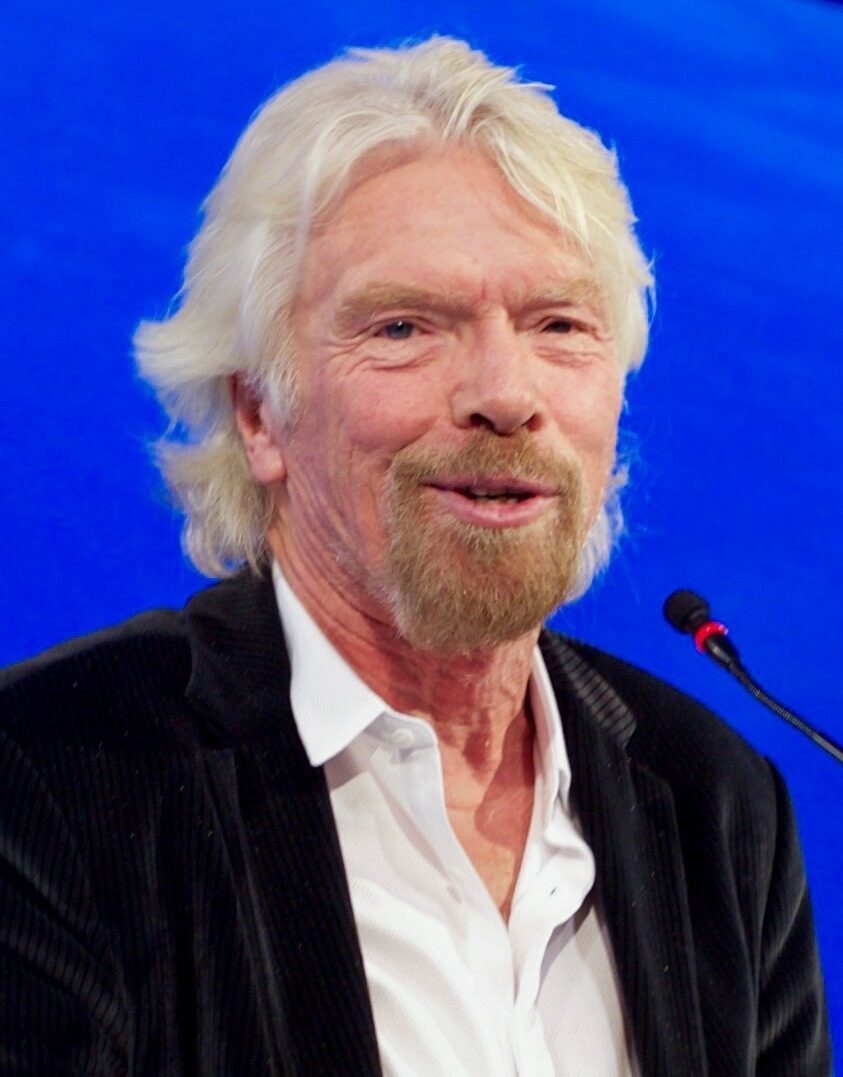
Richard Branson’s routine makes more sense when you think in terms of energy, not control.
He is not the kind of operator who tries to dominate the day with a rigid spreadsheet. The pattern that shows up again and again is simpler than that. He gets up early, moves his body outdoors, spends time with family, and keeps work tied to momentum instead of drag.
That sounds light until you notice what it really does. It helps him start the day alert instead of behind.
Richard Branson’s day at a glance
- Around 5 a.m.: wake up
- Early morning: tennis, kitesurfing, biking, or some other outdoor exercise
- Breakfast with family
- Morning onward: calls, decisions, travel, and time across the Virgin group
- Ongoing: protect energy so work stays sharp instead of stale
He uses movement to create energy first
Branson has said for years that waking early gives him extra productive time, and he usually spends some of that time moving. Tennis, swimming, biking, and kitesurfing all show up in accounts of his mornings.
That is not just a fitness habit. It is a mental strategy.
Here is the thing: exercise early in the day changes the tone of everything after it. You stop feeling like work happened to you. You feel like you showed up on purpose.
Branson’s routine suggests he understands that well. He does not seem to separate physical energy from business energy. He treats them as connected.
Family is part of the morning, not something squeezed in later
Another recurring detail is breakfast with family.
That matters because it reveals what kind of morning he is trying to build. It is active, but it is not frantic. He is not chasing a macho version of productivity where every quiet moment has to justify itself.
That balance is part of what makes the routine useful to study. Branson seems to like winning the morning without making it joyless.
For most people, that is a better target than trying to become some hyper-optimized machine by Tuesday.
Related video: Richard Branson on business, risk, and how he approaches life.
The real lesson is not the wake-up time
A lot of people get stuck on the 5 a.m. part.
That misses the point.
The useful pattern is that Branson starts the day by creating lift. Light, movement, fresh air, family, then work. The sequence matters more than the exact minute he opens his eyes.
What this really means is that a routine can be ambitious without feeling claustrophobic. His mornings do not look like punishment. They look like preparation.
Why enjoyment is part of the operating system
Branson’s routine stands out because it does not treat vitality and enjoyment as distractions from performance. They are part of the system that supports it.
Outdoor movement, light, family time, and active mornings help create enthusiasm before the workday gets crowded. That matters more than it sounds. People make better decisions when they are alert, engaged, and not already resentful of the day.
His routine seems designed to create that lift on purpose.
What early mornings are really doing here
The 5 a.m. detail gets attention, but the hour itself is only part of the story. The real function of the early morning is to secure uncontested time.
Before email, travel, meetings, and other people’s requests take over, Branson gets a block that belongs to energy creation. That sequence is what readers should notice.
Wake-up times are overrated. Protected time is not.
What you can borrow from Richard Branson
- Start the day with movement before screens if you can.
- Use the morning to create energy, not just process messages.
- Keep one part of the day tied to real life, not just work.
- Build routines you can enjoy repeating.
- Stop treating productivity like it has to feel miserable to count.
Richard Branson’s routine works because it is designed to make him more alive, not just more busy.
That is a better standard than most routine advice gives you.