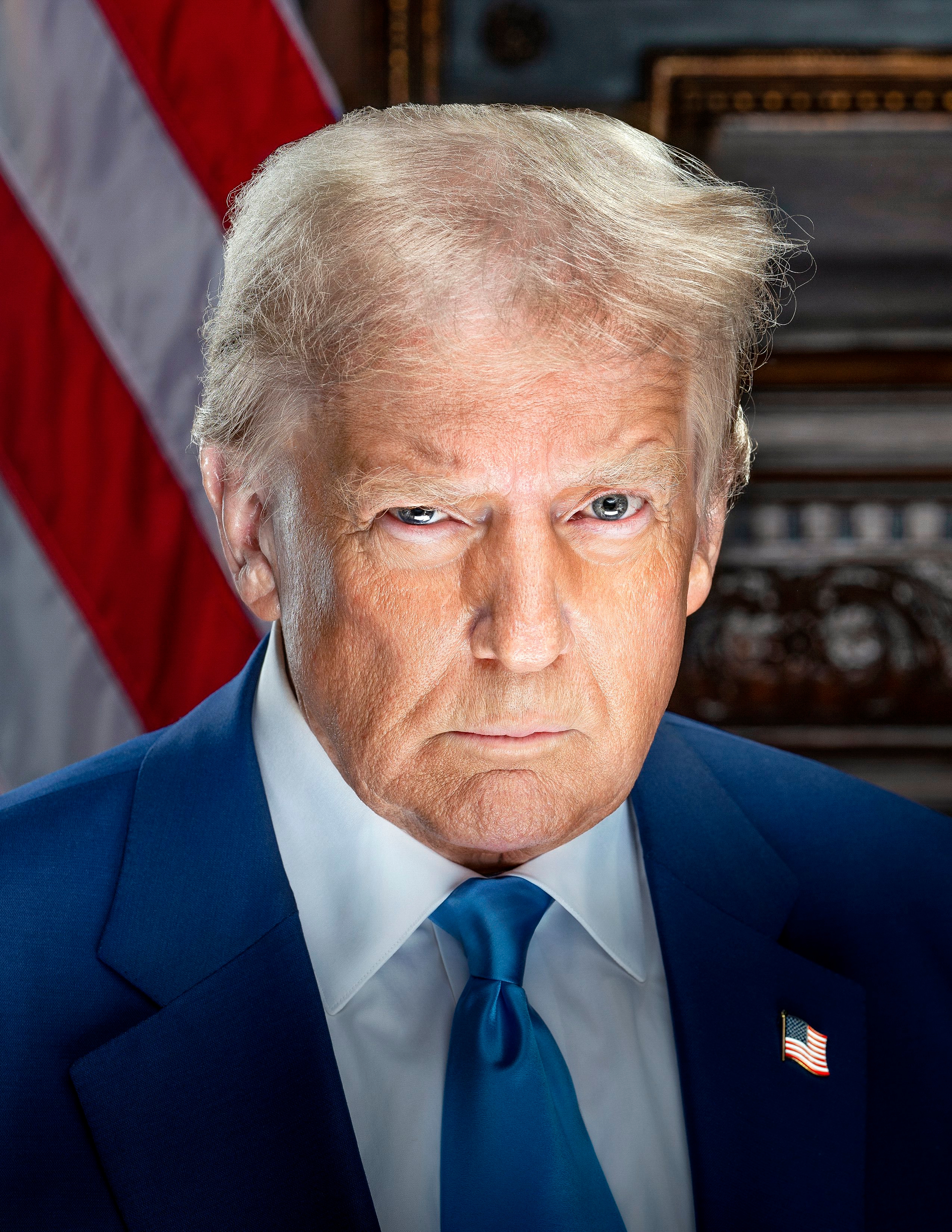
Donald Trump’s routine is not polished in the self-improvement sense.
It looks more like a high-output public schedule built around instinct, visibility, and repetition. The broad pattern is surprisingly clear: not much sleep, not much breakfast, a day full of meetings and media, and golf as the most obvious recurring outlet.
Donald Trump’s day at a glance
- Early morning: up after relatively little sleep
- Morning: usually no real breakfast
- Daytime: meetings, public appearances, media, and calls
- Physical activity: golf is the most visible repeat habit
- Evening: keep going rather than shut the day down early
That rhythm is intense, but it is also very simple.
What younger Trump was doing early in his career
Before the presidency and long before the campaign-rally version of Trump, his work was real estate full time.
After graduating from Wharton in 1968, he joined his father’s business and worked on a large portfolio of rental housing in Brooklyn, Queens, and other markets tied to the family company. That matters because the early version of Trump was not starting with skyscrapers. He was learning the business inside a much more conventional property operation.
By 1971, he had taken over leadership of the company, and the ambition was already shifting. Instead of staying focused on outer-borough apartments, he pushed toward Manhattan, where bigger projects also meant bigger publicity, bigger politics, and much higher stakes.
The early breakthrough was the Commodore Hotel deal in 1976. Trump helped turn the deteriorating property next to Grand Central into the Grand Hyatt, which reopened in 1980. That project tells you a lot about his younger career. He was not just trying to operate properties well. He was trying to make large, visible deals that changed his status.
That same pattern was still obvious in a 1985 60 Minutes profile, when a 39-year-old Trump moved from site to site around New York discussing deals, projects, and press attention. Even then, the routine looked built around motion, negotiation, and visibility more than quiet craftsmanship.
So if you zoom out, the older story fits the current one surprisingly well. Younger Trump learned the business in his father’s housing company, then spent his early career trying to turn himself into a Manhattan dealmaker whose work and public image reinforced each other.
He seems to prefer momentum over recovery
In a June 2, 2024 interview on Fox & Friends Weekend, Trump said he does not sleep much and rarely eats breakfast.
That tells you a lot about how he approaches the day. He does not seem interested in easing into it. He appears to prefer starting fast and staying in motion.
Here is the thing: some people build routines around recovery. Others build them around momentum. Trump’s public comments suggest he is firmly in the second group.
Related video: a direct clip of Trump explaining that concern and constant attention are part of why he does not sleep much.
Breakfast does not appear to be a major ritual
The breakfast detail matters because it removes one more decision from the morning.
Plenty of people do better with a stable breakfast habit. Trump does not seem wired that way. The more accurate lesson is not “skip breakfast.” It is that he keeps the morning light and uncomplicated.
That can work if the rest of the day already demands a lot of attention. Less setup. Less friction. More immediate movement into work.
The day is built around public activity
The clearest recent snapshot came from the White House physician’s memo released on April 13, 2025. It described Trump’s days as full of meetings, public appearances, media availabilities, and golf.
What this really means is that his routine is not private or insulated. It is performative by design. Even the workday structure appears to keep him in front of people, cameras, or decision-makers for long stretches.
That makes his routine worth studying because it is less about calm focus and more about sustaining visible energy.
Golf is the recurring form of movement
Trump’s doctor did not frame golf as a side hobby. In the April 13, 2025 physical summary, it showed up as part of the active lifestyle that reportedly supports his day to day health.
That is useful because it makes the routine more concrete. The memo and follow-up coverage described days filled with meetings, public appearances, media availability, and golf. In other words, movement is not separate from the public schedule. It sits inside it.
The physical details add a little more context. The White House said Trump weighed 224 pounds at 6-foot-3, with blood pressure of 128/74 and a resting heart rate of 62. Those numbers do not tell you everything about a routine, but they do support the broader point that golf appears to be the repeatable physical habit in the middle of an otherwise work-heavy schedule.
That does not look like a conventional training plan. No elaborate gym language. No elaborate recovery system. Just a form of movement he clearly likes and repeats.
There is a useful principle in that. The best exercise habit is often the one you will keep doing. For Trump, golf seems to fill that role. For someone else, it might be lifting, swimming, or a golf putting mat at home if that is what makes practice easy to repeat.
Related video: the April 13, 2025 White House release on Trump's physical, including the emphasis on golf as part of his active lifestyle.
This routine is built for stamina, not serenity
Trump’s schedule does not read like a modern wellness template. It reads like a pressure routine.
Short sleep. Light mornings. Constant public engagement. Repeated movement through golf. The point is not balance. The point is staying switched on long enough to keep operating at a public pace.
That distinction matters. If you copy this routine literally, you may just end up tired. If you study the structure instead, the pattern is more useful: simplify the morning, know what activity you will actually repeat, and keep the day moving.
What you can borrow from Donald Trump’s routine
- Remove friction from the start of the day.
- Do not force rituals you will never keep.
- Choose a form of exercise you are likely to repeat for years.
- Build your routine around the kind of energy your work actually requires.
- Keep the structure simple enough that it survives busy weeks.
Donald Trump’s routine works, to the extent it works, because it is direct.
It does not try to look ideal. It tries to stay operational.
Sources
- Trump interview on Fox & Friends Weekend via Factba.se transcript, June 2, 2024
- Memorandum from the White House Physician, April 13, 2025
- AP report on Trump’s April 2025 physical
- Miller Center biography on Trump’s life before the presidency
- Britannica biography of Donald Trump
- CBS on Trump’s first 60 Minutes interview from 1985
- Trump: “I’m Concerned About Everything; That’s Why I Don’t Sleep a Lot”
- White House releases President Trump’s physical exam results
- Official portrait image source on Wikimedia Commons