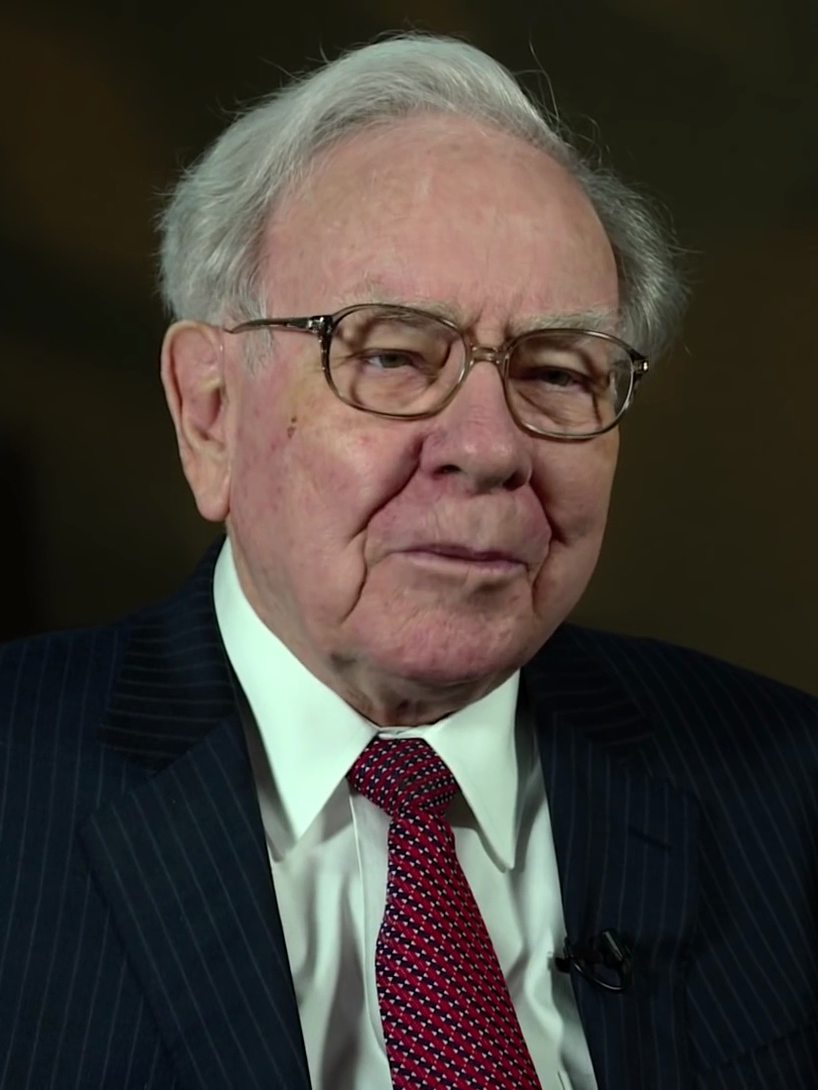
Warren Buffett’s routine is useful because it looks almost wrong to people addicted to visible busyness.
He is not famous for a perfectly optimized morning checklist.
He is famous for judgment. And his schedule seems built to protect the kind of quiet attention good judgment requires.
There is no single minute-by-minute Buffett schedule that stays fixed across decades. What does stay consistent is the pattern: read a lot, think a lot, avoid cluttered calendars, and refuse to confuse activity with progress.
Warren Buffett’s day at a glance
- Morning: read newspapers, reports, filings, and market information
- Daytime: think, make calls, review businesses, and make a small number of important decisions
- Ongoing: keep the calendar lighter than most executives would tolerate
- Ongoing: spend more time consuming useful information than performing importance
That is a very different model from the executive who spends the whole day in meetings and then wonders why the quality of decisions drops.
Reading is not prep work for Buffett
It is the work.
Buffett has repeatedly emphasized reading as the core activity behind good investing. He has advised students to read hundreds of pages a day and has described building knowledge the way compound interest builds capital.
That matters because it changes how you think about productivity.
Most people treat reading as something they will do after the real work is done. Buffett’s routine flips that logic. For him, reading annual reports, newspapers, and business material is not procrastination. It is how the edge gets built. A highlighter set or simple notebook fits that habit better than any productivity gadget because the advantage is built through repeated reading and note-taking.
Here is the thing: if your work depends on seeing reality clearly, input quality matters more than frantic output.
His calendar is intentionally sparse
One of the most revealing Buffett stories came from Bill Gates, who said he was struck by how much control Buffett had over his time and how little his calendar was packed.
That is not an accident. It is a decision.
Buffett does not seem interested in looking busy. He seems interested in staying free enough to think well.
That is a serious lesson for anyone whose work involves judgment. Once the calendar gets overrun, other people start owning your mind one block at a time. You can become extremely responsive and steadily less wise.
Buffett’s schedule pushes in the other direction. More space. Fewer interruptions. Better thinking.
He does not worship variety
A lot of productivity culture assumes a great day should be full of novelty.
Buffett’s routine suggests almost the opposite. Same city. Similar foods. Familiar office rhythm. Lots of reading. Long stretches of mental quiet.
That consistency is probably part of the advantage.
He is reducing unnecessary decisions so more attention can go toward the few decisions that are actually worth making. That is a cleaner use of energy than treating every day like a performance.
The real pattern is patience
Buffett’s investing style and daily structure fit each other.
He is not trying to react to everything.
He is trying to understand enough, wait enough, and then move when the odds are good.
That requires a schedule with room in it. If your day is built for speed, noise, and constant response, patience starts to feel impossible. Buffett’s routine protects patience by refusing to let constant motion define seriousness.
That is one of the deeper reasons his day still stands out.
Why empty space can be a competitive advantage
Many people experience open time as anxiety. They fill it because it feels safer to be visibly occupied than quietly responsible.
Buffett’s routine suggests the opposite view. Empty space is not always wasted space. Sometimes it is where the highest-value thinking happens.
That is especially true in investing, leadership, and strategy work, where one good decision can dominate a week of efficient activity.
The empty calendar is not laziness. It is capacity.
Why Buffett reads so much before acting
Reading slows impulse down.
That matters because markets reward discipline much more reliably than they reward excitement. The more information Buffett absorbs, the less pressure he seems to feel to act for the sake of action.
That is a useful correction for almost anyone. A lot of bad decisions are just impatience wearing a suit.
What you can borrow from Warren Buffett
- Spend more of your day learning than displaying busyness.
- Protect large blocks of time from meetings if your work depends on judgment.
- Read deeply enough that decisions become clearer before they become urgent.
- Stop using a packed calendar as proof that your day mattered.
- Measure output by the quality of a few decisions, not by the number of tasks touched.
Warren Buffett’s routine does not look impressive in the shallow sense.
That is part of why it is impressive in the real one.
He built a day that leaves room for reading, thinking, and patience. If your work depends on judgment, that is not indulgence. It is infrastructure.


.jpg)