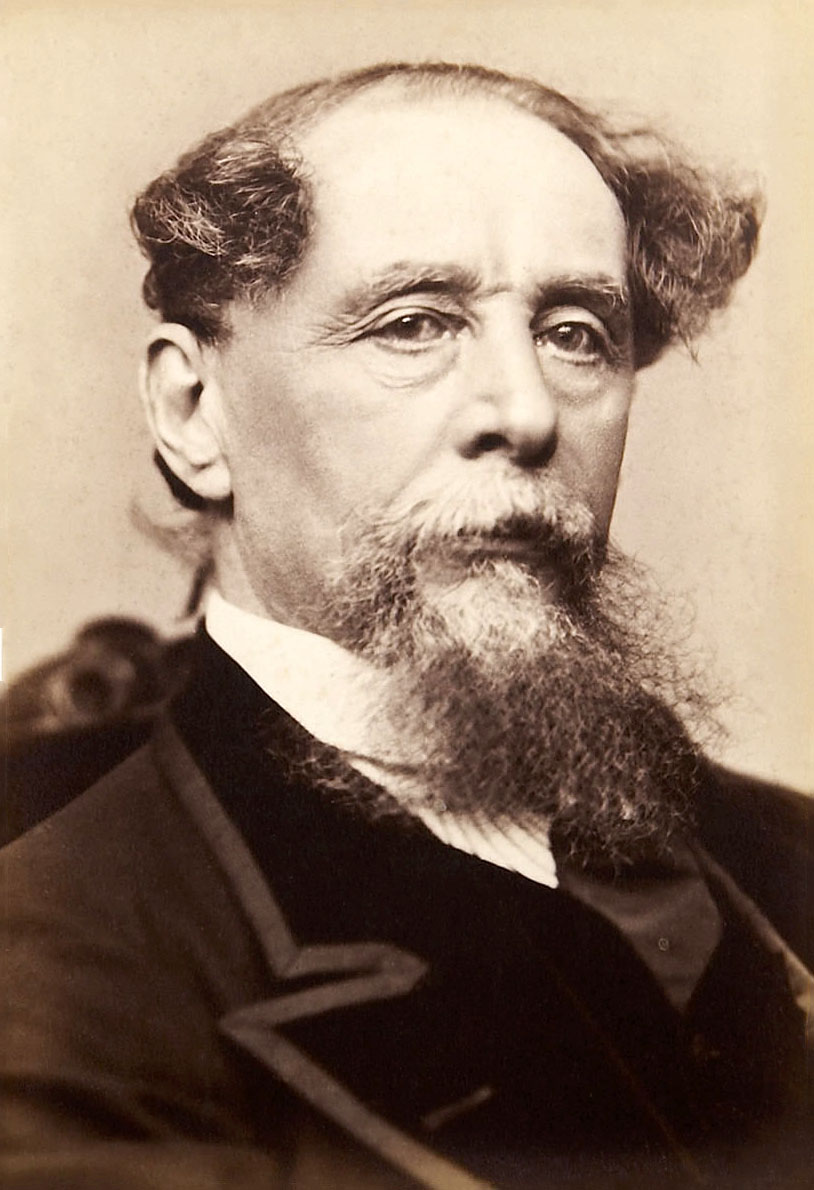
Charles Dickens kept a more disciplined writing routine than the stereotype of the chaotic artist would suggest.
He was productive because the day had shape.
The pattern that shows up in biographies and recollections is clear: breakfast, a strong uninterrupted writing block, a long walk, dinner, and a high degree of order in the domestic environment around him.
That arrangement is less romantic than people imagine. It is also more useful.
Charles Dickens’ day at a glance
- Morning: breakfast, then begin writing at roughly the same time each day
- 9 a.m. to 2 p.m.: concentrated writing block
- Afternoon: long walks, often for miles at a time
- Evening: dinner, family or social obligations, reading, and lighter activity
- Ongoing: keep surroundings ordered enough that work can start cleanly
That is the shape of someone treating writing as labor, not as a mood.
He protected the main writing block
One of the best-known details of Dickens’s routine is the steady morning work period that ran for hours before the day drifted into other claims.
That matters because it shows where he put the serious effort. Not in little scraps. Not after everything else was done. In the part of the day where the writing still had first claim.
Many writers still fail at this exact point. They keep the work in a negotiable slot and then act surprised when it gets negotiated away.
Dickens’s routine is firmer. Morning first. Then the rest.
Walking reset the nervous system and extended the imagination
Dickens was famous for long walks.
Sometimes they were several miles. Sometimes much more.
That is easy to treat as a quaint Victorian habit, but it likely did a great deal of practical work. Walking decompressed the strain of concentrated writing, helped ideas keep moving, and kept the body from turning stale under indoor effort. A sturdy pair of walking shoes or a plain writer’s notebook makes sense for anyone borrowing that rhythm now.
This is a recurring pattern in strong routines. The walk is not a reward for work. It is one of the conditions that helps the work continue over years.
He cared about order more than the mythology suggests
Accounts of Dickens often mention his attention to arrangement and tidiness.
That detail fits the routine well. A disordered environment creates friction before the writing even begins. An ordered one removes excuses.
What this really means is that routine starts before the desk. It begins with whether the environment supports seriousness or undermines it.
Dickens seems to have understood that clearly.
The schedule helped him stay prolific
Dickens produced an enormous amount of work across fiction, journalism, editing, readings, and travel.
That kind of output is hard to understand if you only imagine talent doing the lifting. Talent mattered. The schedule mattered too.
A stable morning block creates cumulative force. Even if a single day looks ordinary, the repeated structure compounds into a body of work that looks extraordinary in hindsight.
That is one of the most practical lessons in his day.
Why the long walk was not wasted time
People who feel guilty away from the desk tend to underestimate what walking does.
It settles agitation. It gives unfinished thoughts somewhere to reorganize themselves. It helps the mind recover from concentrated sentence-making without snapping completely into distraction.
For Dickens, the walk appears to have been part recovery, part thinking time, and part general maintenance for a life that demanded relentless output.
That is not wasted time. It is maintenance of the instrument.
Why Dickens’s routine still feels modern
Strip away the Victorian furniture and the logic is surprisingly contemporary.
Do the hard creative work early.
Protect the block.
Use the body so the mind does not stagnate.
Keep the environment ordered enough that the work can start on time.
That is not old-fashioned. It is durable.
What you can borrow from Charles Dickens
- Give creative work a fixed morning block instead of a negotiable one.
- Use walking to recover from deep mental effort.
- Keep the workspace orderly enough that the work can begin without friction.
- Treat routine as support for prolific output, not as the enemy of originality.
- Remember that steady structure often beats dramatic inspiration.
Charles Dickens’ routine endures because it replaces artistic vagueness with working discipline.
That is usually where the real pages come from.